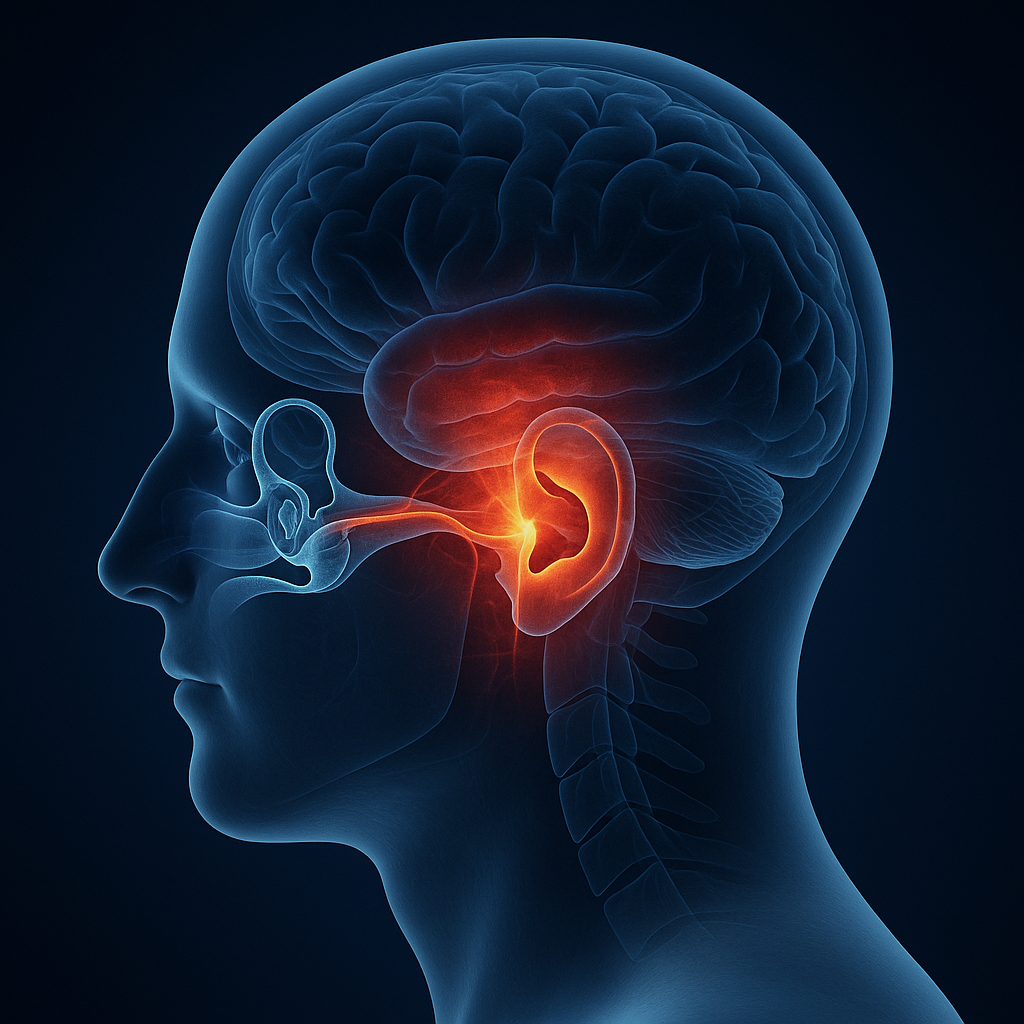
Why the Ringing Keeps Getting Worse

Most people are shocked when they learn that tinnitus rarely begins in the ears themselves.
In reality, the ringing — whether it sounds like a buzz, hiss, pulse, whistle, or electric noise — often starts when a critical nerve deep inside the brain becomes inflamed.

The truth is that tinnitus follows a silent progression, and most people only recognize it when it reaches the later stages. Here are the four internal stages researchers now believe many people go through — often without realizing it.

Stage 1 — The Nerve Disruption

Inflammation begins quietly inside the auditory nerve. Signals become slightly distorted, causing occasional ringing, buzzing, or pressure. Most people mistake this for stress or fatigue — unaware that a deeper disruption is already underway.
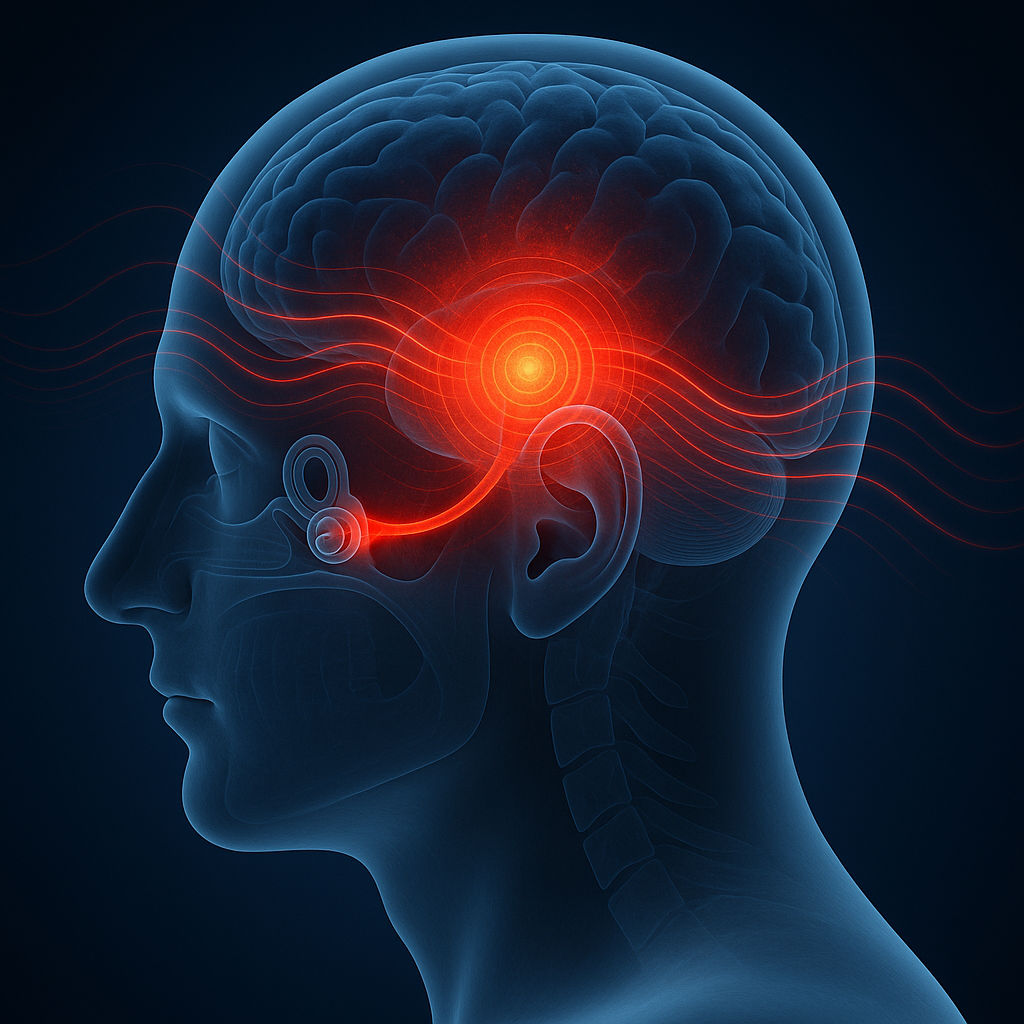
Stage 2 — Escalating Noise

As inflammation grows, the brain struggles to interpret the faulty signals. It starts producing louder and more persistent phantom sounds. This is when tinnitus stops being “occasional” and becomes a daily frustration.
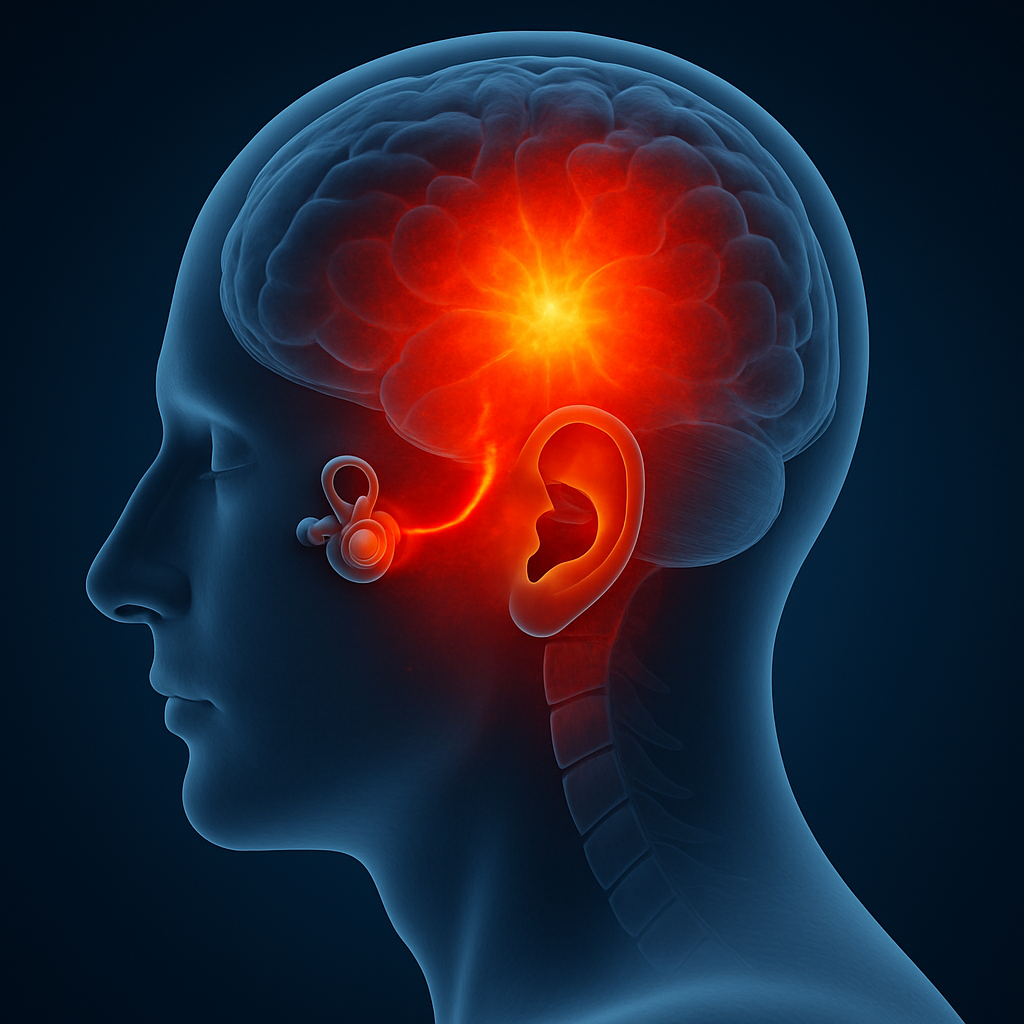
Stage 3 — Neural Overload

The inflammation now affects surrounding neural pathways. People begin noticing difficulty concentrating, irritability, sound sensitivity, and disrupted sleep. At this stage, tinnitus often jumps in volume or changes tones without warning.

Stage 4 — Cognitive Impact

This is the stage most people fear — and the one almost no doctor ever warns them about. The inflammation can begin affecting areas responsible for memory, focus, and long-term hearing, making it harder to ignore the ringing and harder to function normally throughout the day.


What Stage are YOU in right now?

Watch how this simple Ritual is helping people protecter their brain and ears. Before it's too late!

Lisa - 58 years old,
got rid of the ringing in her ears.

"I’ll never forget the day the ringing in my ears finally took over my life.
At first, it was just a faint buzz I could ignore… something I assumed would disappear on its own.
But it didn’t.
It grew louder. Sharper. More persistent — until it followed me everywhere I went.

I remember sitting in my living room one night, trying to read, and realizing I couldn’t focus on a single sentence.
The noise was all I could hear.
It felt like it was inside my head, pulsing, vibrating, refusing to stop.

And with every passing week, the fear grew stronger.

I started avoiding quiet places because silence made the ringing unbearable.
I stopped enjoying conversations because I had to concentrate just to understand people.
I lay awake at night staring at the ceiling, wondering what was happening to me — and terrified that it might never go away.

I went from doctor to doctor searching for answers.
Some told me it was “stress.” Others said it was “age.”
A few shrugged and said I just needed to “learn to live with it.”

But deep down, I knew something wasn’t right.
The ringing wasn’t random. It wasn’t harmless.
It was getting worse — and I could feel it affecting more than just my ears.

Then came the moment that changed everything.

One afternoon, after yet another sleepless night, I stumbled across a discovery that explained exactly why the ringing wouldn’t stop — and why it kept intensifying no matter what I tried.

For the first time in months, things finally made sense.
And what I learned next opened a completely new path — not just for quieting the noise, but for understanding what was really happening inside my brain.

If you’ve ever felt afraid that the ringing might take over your life…
or worried about how much worse it could get…

You need to see this."

Frequently Asked Questions (FAQ)

What actually causes the ringing that won’t go away?

Most people think tinnitus starts in the ear, but new research suggests the real issue may begin inside the brain, when a key nerve involved in sound processing becomes irritated or inflamed. This disruption creates distorted signals — which the brain interprets as ringing, buzzing, or hissing.

When external sounds fade, your brain has fewer distractions. With nothing else to focus on, it becomes more aware of the faulty signals coming from the irritated nerve, making the ringing seem much louder.

Yes — especially when the underlying irritation keeps building. That’s why many people notice the ringing changing pitch, growing sharper, or becoming more constant. Understanding why this happens is the first step toward taking control.

Standard hearing tests focus on the ear itself. But tinnitus often involves deeper neural pathways that don’t show up on routine exams. When those signals are misfiring, the ringing continues — even when the ear looks normal.

The video explains the little-known internal process that may be driving the ringing, why it keeps intensifying, and the surprising discovery that finally helps people understand what’s happening inside their brain. If your tinnitus has been getting worse — or harder to ignore — this explanation is important.

Copyright 2025 All rights reserved.

Please note that the information we provide is not intended to replace consultation with a qualified medical professional. We encourage you to inform your physician of changes you make to your lifestyle and discuss these with him or her. For questions or concerns about any medical conditions you may have, please contact your doctor. 

You should do your own research and confirm the information with other sources when searching for information regarding health issues and always review the information carefully with your professional health care provider before using any of the protocols presented on this website and/or in the product sold here.

Results show may not be typical. Testimonials found on this page are results that have been forwarded to us by users have used the method mentioned, and may not reflect the typical experience, may not apply to the average person and are not intended to represent or guarantee that anyone will achieve the same or similar results.

The content on this site is for information purposes only. It is not intended to replace professional medical advice, diagnosis or treatment.